Across Asia, hybrid teams move fast: coordinating across time zones, cultures, and communication styles. When trust is low, collaboration slows. Employees hesitate, silence fills meetings, and decisions stall.
When trust is strong, teams share ideas freely, ask questions early, and solve problems collectively. Psychological safety is no longer a “nice-to-have,” but the foundation for high performance in today’s workplaces.
At Growth Academy Asia, we help leaders build the skills needed to create environments where people feel safe enough to contribute honestly and confidently.
Why Psychological Safety Matters More Than Ever
The way teams communicate has changed. And that means that the way leaders build trust must change with it.
Digital tools reduce context. Hybrid communication—email, chat, video calls—removes tone, facial cues, and emotional nuance. Without context, misunderstandings grow, and people speak less freely.
Younger talent expects openness. Gen Z and early-career employees value transparency, shared decision-making, and mental well-being. They are more likely to disengage from environments where questions feel risky.
Leaders must adapt quickly. Managers are juggling performance, coaching, and cross-border alignment. Many were never trained in trust-building skills, yet they are now responsible for fostering psychological safety.
Google’s Project Aristotle, one of the most well-known studies on team effectiveness, found that psychological safety is the top predictor of high-performing teams. So, how can we create this sense of safety? It begins with deepening trust in the workplace and overcoming barriers.
Common Trust Barriers in Asian Workplaces
While psychological safety is essential everywhere, several unique obstacles appear in Asia-Pacific workplaces that you need to be aware of:
- Fear of disagreeing with senior leaders. Traditional hierarchies create hesitation. Employees often avoid raising concerns or offering alternative perspectives unless explicitly invited to do so, out of fear of disrespecting their leaders.
- Blame culture. In some environments, mistakes carry consequences beyond the work itself. Fear of blame or public criticism discourages transparency, making it harder for normalized contributions.
- Uneven communication across cross-border teams. Cultural differences influence how teams express uncertainty, escalate issues, or offer feedback. Misinterpretation becomes common, especially in regional roles where teams span multiple countries.
How HR Can Build Psychologically Safe Teams
Strengthening trust requires practical, repeatable behaviors. Not just one-time initiatives. HR leaders across Asia are using several strategies to embed psychological safety into daily work. Here are some of the most effective that you could apply to your organization in the future.
Leadership training on coaching behaviors.
Managers learn to ask open questions, listen without interrupting, and acknowledge contributions. These small behaviors signal safety and reduce hesitation, building up strong leaders over time.
Clear meeting norms.
Teams establish guidelines that are clear and purposeful, such as:
- “One conversation at a time.”
- “Everyone speaks once before anyone speaks twice.”
- “Questions are valued, not judged.”
These norms help reduce hierarchy effects and create room for quieter voices.
Feedback frameworks tailored for Asian contexts.
Western models often feel too direct. Many HR teams now use approaches that combine clarity with respect, balancing honesty with relational awareness.
If your HR team focuses on these minor adjustments, high-trust teams can be created and succeed in their initiatives.
What High-Trust Teams Achieve Together
Psychological safety isn’t theoretical. It creates measurable improvements in team effectiveness, innovation, and retention. When you have high-trust teams in your organization, you’ll enjoy:
- Faster decisions. When employees feel safe raising concerns early, teams adjust quickly instead of discovering issues late.
- Higher innovation. Creative ideas surface more often when people don’t fear judgment. Teams test assumptions faster and learn more quickly.
- Stronger retention. Employees stay longer in environments where their contributions are valued, and they feel comfortable expressing needs or concerns.
The MIT Sloan Management Review highlights how psychological safety accelerates innovation and reduces turnover in global teams.
How Companies Across Asia Are Strengthening Trust
Organizations are embedding trust-building practices into leadership development, manager coaching, and team routines in numerous ways to cultivate the right team environment.
Hybrid Collaboration Training
Introducing structured meetings and check-ins, along with consistent reflection questions, can increase collaboration among regional teams. Organizations might see cross-border misalignment decrease within months due to this slight alteration.
Leadership Coaching Circles
Managers can meet monthly to practice coaching conversations, share challenges, and reinforce psychologically safe communication patterns. Through these circles, leaders develop and learn from one another as they grow.
New-Hire Integration
Onboarding programs may include psychological safety primers that set expectations early, reducing fear for new employees joining hierarchical teams and helping to establish goals and a reasonable baseline for all staff.
Schedule a Consultation with Growth Academy Asia
Trust isn’t a soft skill. It’s the operational base that allows hybrid teams to innovate, speak up, and solve problems together. When leaders know how to build safety through consistent behaviors, organizations see better collaboration, clearer communication, and stronger performance.
Growth Academy Asia delivers leadership and psychological-safety programs that help managers build trust, encourage open communication, and create environments where teams can do their best work. If your teams need stronger trust and more confident collaboration, we’re ready to help you take the next step.
Get in touch with our team today to schedule your consultation.
Author Details
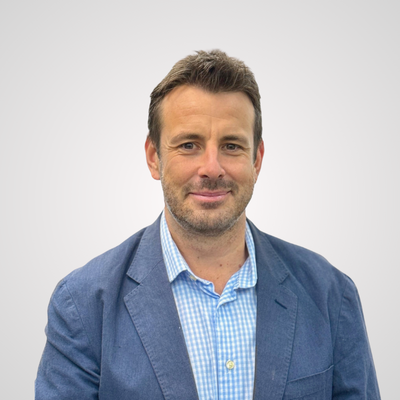
Stuart Harris is the Co-Founder of Team Building Asia and Growth Academy Asia. With a background in hospitality management and over 30 years of leadership experience across the UK and Hong Kong, he brings a wealth of expertise in creating engaging, impactful learning experiences. Based in Penang with his family, Stuart regularly commutes to Hong Kong to work closely with the team. He is deeply committed to fostering team growth, delivering transformative programmes, and driving positive community impact through B1G1 partnerships. Beyond his professional role, he values family time and cultural exploration.